
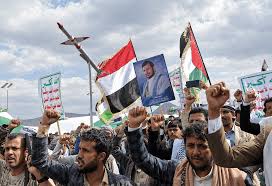
In recent years, attacks on Red Sea shipping and missile launches toward Israel have kept one name in global headlines: the Houthis. But who are the Houthis, where did they come from, and what do they actually want? This guide offers a balanced look at their history, ideology, military strength and the controversies surrounding them.
Key Takeaways
- The Houthis, officially called Ansar Allah, are a Zaydi Shia revivalist political and armed movement from northern Yemen.
- They emerged in the 1990s, fought the Yemeni government from 2004, and seized the capital Sanaa in 2014.
- A Saudi-led coalition intervened in 2015, turning Yemen’s conflict into a regional war.
- The Houthis receive Iranian support, but experts disagree on how much control Iran actually has.
- They face serious human rights allegations, while coalition airstrikes have also killed many civilians.
Who Are the Houthis?
The Houthis, formally known as Ansar Allah (“Supporters of God”), are a political and paramilitary organization that emerged in Yemen in the 1990s. The movement draws mainly on followers of Zaydism, a branch of Shia Islam found almost exclusively in Yemen. The name “Houthi” comes from the al-Houthi family, whose members have led the movement. Since 2004 it has been led mostly by Abdul-Malik al-Houthi, the brother of the founder, Hussein al-Houthi.
Origins: From Youth Clubs to Insurgency
The movement began in 1992 in Saada Governorate, northern Yemen, with an organization called the Believing Youth. It ran school clubs and summer camps meant to promote a Zaydi revival, and early on it was seen as a fairly moderate religious movement.
Its direction changed after the 2003 US invasion of Iraq. Hussein al-Houthi’s followers adopted the slogan known as the Sarkha (“the scream”), which includes “Death to America, Death to Israel, Curse on the Jews, Victory to Islam.” The slogan has drawn heavy criticism, particularly for its antisemitic language.
When President Ali Abdullah Saleh’s government moved to arrest Hussein al-Houthi in 2004, fighting broke out and Hussein was killed in September of that year. This began the Houthi insurgency, which continued on and off until a ceasefire in 2010.
Houthi Ideology and Religious Beliefs
Houthi ideology blends religious, Yemeni nationalist and populist themes. Scholars such as Bernard Haykel point to two core tenets:
- The “Quranic Way”: the belief that the Quran needs no traditional interpretation and holds everything needed to improve Muslim society.
- The divine right of the Prophet’s descendants (Ahl al-Bayt) to rule.
Zaydis make up roughly 34% of Yemen’s population, while Sunnis make up about 65%. The Houthis have recruited and allied with some Sunnis, but they have also been accused of closing Sunni mosques and placing mostly Zaydis in leadership roles. Many Zaydis themselves oppose the Houthis, viewing them as Iranian proxies and their interpretation of Zaydism as overly politicized.
How the Houthis Rose to Power in Yemen
The Houthis took part in Yemen’s 2011 uprising and the National Dialogue Conference, but they rejected the Gulf Cooperation Council deal that ended Saleh’s rule. In 2014, a fuel price hike sparked mass anger, and the Houthis capitalized on it with large rallies in Sanaa. By September 2014 they controlled much of the capital, and in January 2015 they seized the presidential palace. President Abdrabbuh Mansur Hadi’s government was effectively overthrown.
In March 2015, a Saudi-led coalition began airstrikes to restore the internationally recognized government. The war that followed caused one of the world’s worst humanitarian crises, including famine risks, which aid groups link partly to blockades and fighting.
One of the war’s biggest twists was the shifting alliance with Saleh. The former president joined forces with the Houthis in 2014, but the partnership collapsed in late 2017, and the Houthis killed him in December of that year.
Houthi Military Capabilities
Over the years the Houthis have built a notable arsenal:
- Ballistic and cruise missiles, used to strike targets deep inside Saudi Arabia, including Riyadh
- Drones and suicide drones, used heavily after 2019
- Naval weapons, including anti-ship missiles, explosive drone boats and sea mines
The Houthis claimed the 2019 attack on Saudi Aramco facilities at Abqaiq and Khurais, though the United States blamed Iran.
Houthi Red Sea Attacks and the Gaza War
After the Gaza war began, the Houthis started firing missiles at Israel and attacking ships off Yemen’s coast. They say this is solidarity with Palestinians and pressure to allow humanitarian aid into Gaza. The attacks disrupted global shipping.
In January 2024, the US and UK carried out airstrikes on Houthi targets, and the US designated the group a Specially Designated Global Terrorist (SDGT) entity. In March 2025, the US launched a larger military campaign in Yemen; according to the Pentagon’s own assessment, it killed 153 civilians. In February 2026, the Houthis announced they were resuming attacks on ships following US and Israeli strikes on Iran.
Are the Houthis Backed by Iran?
This is one of the most debated questions about the group
Evidence of Iranian support: The UN concluded that some missiles used by the Houthis were supplied by Iran. Weapons shipments linked to Iran have been intercepted, and reports describe Iranian and Hezbollah advisers helping train Houthi fighters. In September 2026, G7 foreign ministers called on Iran to end its support for the group.
The counterargument: Several analysts argue Iran’s influence is exaggerated. They note the Houthis took Sanaa in 2015 despite reported Iranian advice against it, and that the group differs from Iran on some religious doctrines. Others add that outside military support for the Saudi-led coalition has far exceeded whatever Iran provided the Houthis.
The most reasonable reading is that Iran is a significant backer, but the Houthi leadership appears to make its own decisions.
Human Rights Allegations Against the Houthis
UN experts, Human Rights Watch and other organizations have accused the Houthis of serious abuses:
- Child recruitment: UNICEF has said children make up a significant share of fighters in Yemen’s conflict.
- Aid obstruction: The World Food Programme has accused Houthi authorities of diverting food aid and blocking independent beneficiary registration.
- Restrictions on women: Women are reportedly barred from traveling without a male guardian, and detained women have reported abuse.
- Persecution of minorities: Baháʼís and Yemen’s small Jewish community have faced harassment and detention, and courts in Houthi areas have handed down harsh sentences over same-sex conduct.
- Hostage-taking and arbitrary detention
The Houthis deny many of these claims. It is also important to note that airstrikes by the Saudi-led coalition have killed large numbers of civilians and have been widely criticized.
What Do Yemenis Think of the Houthis?
A 2024 survey by the Sana’a Center for Strategic Studies found that only 8% of people in Houthi-controlled areas viewed the movement positively, while 20% viewed it negatively. In government-controlled and contested areas, negative views were far higher (34% and 39%). Such surveys should be read cautiously, since speaking openly is difficult in conflict zones.
Conclusion
The Houthis have grown from a local religious revival into one of the most influential armed actors in the Middle East. Supporters see a movement resisting corruption and foreign interference; critics see an armed group responsible for serious abuses and regional destabilization. Yemen’s war is not only a domestic conflict but also part of the wider rivalry between Saudi Arabia and Iran, which is why a lasting peace remains difficult.
Frequently Asked Questions (FAQs)
Who are the Houthis? The Houthis, or Ansar Allah, are a Zaydi Shia-rooted political and armed movement from northern Yemen that emerged in the 1990s and took control of Sanaa in 2014.
Why are they called Houthis? The name comes from the al-Houthi family, particularly the movement’s early leader, Hussein al-Houthi.
Who leads the Houthis? Abdul-Malik al-Houthi, Hussein’s brother, has led the movement since 2004.
Why do the Houthis attack ships in the Red Sea? They say it is solidarity with Palestinians in Gaza. Critics say it harms global trade and civilians.
Are the Houthis controlled by Iran? Iran supports the Houthis, but experts disagree on how much control it has over their decisions.
What part of Yemen do the Houthis control? They control Sanaa and much of the densely populated north and west of the country.
Are the Houthis a terrorist organization? Some countries have designated them as such. The US placed them on its SDGT list in 2024, but views differ internationally.